Introduction
The internet, as we know it, is constantly evolving. From the static, read-only Web1 to the interactive and social Web2, we have witnessed profound transformations in how we interact with the digital world. Now, we are on the verge of a new era: Web3. This next iteration of the internet promises decentralization, user ownership, and a more transparent and secure digital ecosystem, driven by technologies like blockchain and non-fungible tokens (NFTs).
For businesses, especially those in the web design and e-commerce sectors, understanding and adapting to this change is not just a competitive advantage but a strategic necessity. Web3 offers unprecedented opportunities to innovate business models, enhance the customer experience, and build deeper, more authentic relationships with the public. However, the complexity and technical jargon associated with these new technologies can be intimidating, raising doubts about their relevance and practical applicability.
This article aims to demystify Web3 by exploring its practical and tangible applications for traditional web design and e-commerce. We will cover how blockchain and NFTs can be used to ensure product authenticity, tokenize loyalty programs, optimize decentralized finance, and create immersive experiences. Furthermore, we will position Custom Site Pros (NWD) as an explorer and implementer of Web3 solutions, ready to guide companies through this transition and help them build their next websites with a vision for the future.
By the end of this reading, you will have a clear understanding of what Web3 means for your business and how NWD can be your strategic partner to navigate and thrive in this new digital frontier.
What is Web3?
Web3 represents the third generation of the internet, an evolutionary leap that aims to correct the shortcomings of its predecessors, Web1 and Web2. To understand Web3, it is essential to briefly revisit what came before it:
•Web1 (1990s-2000s): The Static, Read-Only Web. Characterized by static, informational websites, Web1 was predominantly an environment where users passively consumed content. Interaction was minimal, and content creation was restricted to a small group of developers and companies. It was the era of one-way information, where the internet functioned like a vast digital library.
•Web2 (2000s-Present): The Social and Interactive Web. With the advent of social media, blogs, and user-generated content platforms, Web2 transformed the internet into a dynamic and interactive space. Users not only consumed but also produced and shared content on a large scale. However, this interactivity came at a cost: centralization. Large tech corporations came to control most user data, monetizing it and, in many cases, limiting freedom and privacy online. Web2 is the era of platforms, where power is concentrated in the hands of a few tech giants.
The Pillars of Web3: Decentralization and User Ownership
Web3 emerges as a response to this centralization, proposing an internet model where control and ownership are distributed among users, rather than being held by intermediaries. Its fundamental principles are decentralization and user ownership. This means that instead of relying on centralized servers and companies that act as data guardians, Web3 uses distributed networks, like the blockchain, to store and manage information transparently and immutably.
The main technological pillars that support Web3 include:
•Blockchain: The underlying technology that allows for the creation of distributed and immutable records. It is the backbone of decentralization in Web3, ensuring security and transparency in transactions and data storage.
•Cryptocurrencies: Digital assets that use cryptography for security and operate on decentralized networks. Besides being a medium of exchange, many cryptocurrencies play a fundamental role in the governance of Web3 projects and in compensating network participants.
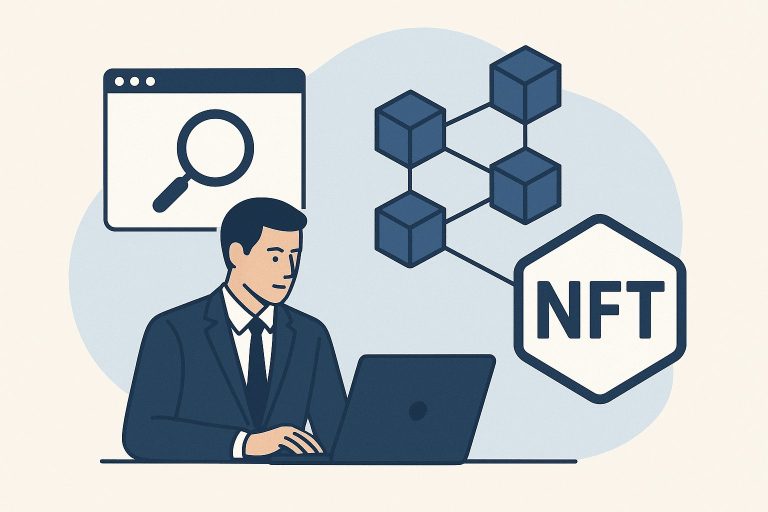
•NFTs (Non-Fungible Tokens): Unique digital representations of assets, which can be art, music, game items, or even ownership certificates. Unlike cryptocurrencies, each NFT is unique and cannot be replaced by another, conferring digital scarcity and provenance.
•DAOs (Decentralized Autonomous Organizations): New forms of organization that operate with rules encoded in smart contracts on the blockchain, allowing members to vote on decisions and manage resources collectively and transparently, without the need for a central authority.
•DeFi (Decentralized Finance): An ecosystem of financial applications built on the blockchain, offering services like loans, insurance, and asset exchanges without the need for banks or other traditional financial institutions.
In essence, Web3 seeks to return power to the users, allowing them to have control over their data, their digital identities, and their online assets. It is a vision of a more open, transparent, and fair internet, where innovation can flourish without the barriers imposed by centralized platforms.
Blockchain and NFTs: Demystifying the Technology
To fully understand the potential of Web3, it is crucial to delve into the technologies that underpin it, particularly blockchain and NFTs. While often associated with cryptocurrencies and digital art, their applications extend far beyond, offering innovative solutions for various sectors, including web design and e-commerce.
Blockchain: The Backbone of Decentralization
Blockchain, or a “chain of blocks,” is a distributed ledger technology that serves as the foundation for most Web3 innovations. In essence, a blockchain is a decentralized and immutable digital ledger that records transactions across a network of computers. Each “block” contains a set of transactions, and once a block is validated and added to the chain, it cannot be altered or removed, ensuring data integrity and security.
How does it work?
1.Transaction: A transaction (e.g., the purchase of a product, the transfer of a digital asset) is initiated.
2.Verification: The transaction is sent to a network of computers (nodes) that verify and validate it using cryptographic algorithms.
3.Block Creation: Once validated, the transaction is grouped with other transactions into a new block.
4.Addition to the Chain: The new block is then added to the existing chain of blocks chronologically and cryptographically linked to the previous block, forming a continuous and unalterable chain.
5.Distribution: An updated copy of the ledger is distributed to all nodes in the network, ensuring everyone has the same record.
Relevance to Web3:
The decentralized and immutable nature of blockchain is what makes it so revolutionary for Web3. It eliminates the need for centralized intermediaries to verify and record transactions, resulting in greater transparency, security, and efficiency. For businesses, this means the ability to create more reliable systems for product tracking, customer data management, and contract execution, without relying on a single controlling entity.
NFTs (Non-Fungible Tokens): Beyond Digital Art
NFTs, or “Non-Fungible Tokens,” are unique and irreplaceable digital assets stored on a blockchain. The word “non-fungible” is key to understanding their value: unlike a currency (like the dollar or Bitcoin), where one unit is identical and interchangeable with another, an NFT possesses unique characteristics that make it distinct and unable to be exchanged for another of equal value.
Characteristics of NFTs:
•Uniqueness: Each NFT is unique and has a distinct identifier on the blockchain.
•Digital Scarcity: Although they can be copied (like a digital image), the NFT itself represents the original and verifiable ownership of a digital asset or a right associated with a physical asset.
•Proof of Ownership: The blockchain records NFT ownership, making it transparent and publicly verifiable.
•Indivisibility: Most NFTs cannot be divided into smaller parts.
Beyond Digital Art: Utility and Practical Applications:
While NFTs initially gained notoriety in the digital art and collectibles market, their practical applications extend to a wide range of sectors. They can represent:
•Certificates of Authenticity: For luxury products, physical artworks, or even software, guaranteeing their originality and provenance.
•Event Tickets: With anti-counterfeiting features and the possibility of offering exclusive benefits to holders.
•In-Game Items: Real ownership of digital assets within games, allowing players to buy, sell, and trade these items freely.
•Property Rights: From real estate to intellectual property, NFTs can simplify and make the transfer of rights more transparent.
•Loyalty Programs: Transforming loyalty points into collectible and tradable digital assets, with exclusive benefits.
For web design and e-commerce, NFTs open doors to new forms of customer engagement, content monetization, and the creation of unique digital experiences. They allow businesses to offer tangible and verifiable value to their customers, building trust and loyalty in an increasingly complex digital environment.
Practical Applications for Web Design and E-commerce
The integration of Web3 into web design and e-commerce is not just a futuristic trend, but an immediate opportunity for businesses to innovate and differentiate themselves. Blockchain and NFT technologies offer concrete solutions to existing challenges and pave the way for new digital experiences. Below, we explore some of the most impactful applications:
Product Authenticity and Provenance
One of the biggest challenges in e-commerce, especially for high-value or branded products, is ensuring authenticity and traceability of origin. Web3, through blockchain, offers a robust solution for this:
•Supply Chain Traceability: Blockchain can be used to create an immutable record of every step in a product’s supply chain, from raw materials to the end consumer. Each transaction (production, transport, storage, sale) is recorded in a block, creating a transparent and verifiable history. This allows consumers to scan a QR code on the product and instantly access all information about its origin, manufacturing date, and even the working conditions involved in its production. Companies like the Aura Blockchain Consortium [1], which includes luxury brands such as LVMH, Prada, and Cartier, already use this technology to guarantee the authenticity of their products and combat counterfeiting.
•NFTs as Certificates of Authenticity: For physical and digital products, NFTs can function as digital certificates of authenticity. Upon purchasing an item, the consumer receives a unique NFT that proves the originality and ownership of the product. This is particularly valuable for collectibles, artworks, limited-edition fashion items, and even software. Nike, for example, patented the CryptoKicks system [2], which links physical sneakers to NFTs, allowing owners to verify authenticity and even create digital versions of their footwear for use in metaverses.
•Increased Consumer Trust: By offering transparency and verifiable proof of authenticity, companies can build a stronger relationship of trust with their customers. This not only protects the brand’s reputation but also adds perceived value to the product, differentiating it in the market.
Tokenization of Loyalty and Customer Engagement
Traditional loyalty programs often suffer from a lack of engagement and a perception of low value from customers. Web3 offers an innovative approach to loyalty, transforming points and rewards into digital assets with real value and utility:
•NFT-Based Loyalty Programs: Instead of generic points, companies can issue collectible NFTs to their most loyal customers. These NFTs can grant access to exclusive benefits, such as personalized discounts, early access to products, VIP experiences, or even voting rights on brand decisions. Starbucks launched the Starbucks Odyssey program [3], which combines NFTs with its rewards program, allowing members to earn and purchase digital “journey stamps” that unlock new experiences and benefits.
•Building Engaged Communities with Governance Tokens (DAOs): DAOs allow companies to build communities where customers have a real voice. By owning governance tokens, customers can vote on proposals, such as the launch of new products, the design of marketing campaigns, or the strategic direction of the company. This not only increases engagement but also creates a sense of belonging and co-ownership, turning customers into true brand ambassadors.
•Gamification and Decentralized Rewards: Web3 facilitates the gamification of shopping and engagement experiences. Companies can create challenges, missions, and rewards in the form of NFTs or cryptocurrencies, encouraging continuous interaction and active customer participation. This transforms the customer journey into a more fun and rewarding experience.
Decentralized Finance (DeFi) and Payments
The financial sector is one of the most impacted by Web3, and its innovations are beginning to reshape e-commerce, offering alternatives to traditional payment and financing systems:
•Cryptocurrency Payment Integration: Accepting cryptocurrencies like Bitcoin, Ethereum, and other altcoins directly on e-commerce platforms eliminates intermediaries and reduces transaction fees. This also attracts a new customer base who prefer or use digital assets for their purchases. Companies like Shopify [4] already offer integrations that allow merchants to accept cryptocurrency payments simply, expanding their market reach and offering more options to their customers.
•Microlending and Decentralized Loans: For small businesses or consumers, DeFi platforms can offer access to microlending and loans without the need for traditional banks, using smart contracts to automate the process. This can facilitate access to capital for emerging e-commerce businesses or offer more flexible financing options for customers.
•New Forms of Monetization and Funding: Web3 enables the creation of new business models and revenue streams. For example, asset tokenization can allow companies to raise capital in a decentralized manner, or content creators to monetize their work directly with their audience, without relying on centralized platforms that charge high commissions.
Immersive Experiences and Metaverse
The metaverse, a persistent and interconnected virtual universe, is one of Web3’s most ambitious concepts. It promises to transform how we interact online, and e-commerce is at the forefront of this revolution:
•Ownership of Digital Assets in Virtual Environments: In the metaverse, NFTs allow for verifiable ownership of digital assets, such as avatar clothing, virtual real estate, artworks, and collectibles. Fashion brands like Gucci [5] and Louis Vuitton [6] are already creating digital collections and shopping experiences in the metaverse, where users can acquire and display exclusive items for their avatars.
•Creation of Stores and Shopping Experiences in the Metaverse: Businesses can establish their presence in the metaverse by creating immersive virtual stores, where customers can explore products in 3D, interact with virtual salespeople, and participate in exclusive events. This offers a richer and more engaging shopping experience than traditional e-commerce.
•Interoperability of Digital Identities and Goods: The vision of Web3 is that digital assets and identities will be interoperable across different platforms and metaverses. This means that an NFT of a digital garment purchased on one platform can be used by your avatar in another virtual environment, creating a more cohesive and valuable digital ecosystem for users and brands.
These applications demonstrate the vast potential of Web3 to redefine web design and e-commerce, offering new tools to build trust, engage customers, and create value in an ever-evolving digital environment.
NWD and the Future of Web3: Exploring and Implementing Solutions
In a constantly evolving digital landscape, Custom Site Pros (NWD) positions itself at the forefront of innovation, recognizing the transformative potential of Web3 for businesses of all sizes. We are not just website developers; we are explorers and implementers of digital solutions that anticipate market needs and empower our clients to thrive in the next era of the internet.
Our expertise in traditional web design, with years of experience in creating intuitive, responsive, and visually appealing platforms, is now complemented by a deep knowledge of blockchain and NFT technologies. This unique combination allows us to offer a holistic approach to your company’s digital presence, ensuring that your next website is not only functional and aesthetically pleasing but also prepared for the decentralized future of Web3.
How NWD Can Be Your Partner in Web3:
•Strategic Web3 Consulting: We understand that Web3 can seem complex. That’s why we offer personalized consulting to help your company identify the most relevant and strategic opportunities to integrate blockchain and NFTs into your business model. We analyze your specific needs and develop a clear roadmap for Web3 adoption, whether it’s to optimize the supply chain, create innovative loyalty programs, or explore new revenue streams.
•Custom Web3 Platform Development: From conception to implementation, NWD designs and develops tailor-made Web3 solutions. This includes creating NFT marketplaces, asset tokenization platforms, DAO-based voting systems, or any other decentralized application your company needs to achieve its goals. We use the latest technologies and best security practices to ensure your platform is robust, scalable, and user-friendly.
•Integration of NFTs and Cryptocurrencies in E-commerce: For e-commerce businesses, we facilitate the integration of cryptocurrency payments and the implementation of NFT-based strategies. This can involve creating NFT collections for customer engagement, issuing digital authenticity certificates for products, or setting up payment gateways that accept various cryptocurrencies, expanding your market reach and offering more options to your customers.
•Immersive Experiences and Metaverse Preparation: NWD is prepared to help your company explore the potential of the metaverse. From creating digital assets for virtual environments to developing immersive brand experiences, we assist in building your presence in the metaverse, allowing you to connect with your audience in innovative ways and create new business avenues.
NWD’s Vision for the Future:
We believe that Web3 is not just a technology, but a philosophy that redefines the relationship between businesses and consumers. NWD is committed to being a bridge between the present and the future of the internet, empowering our clients to embrace decentralization, transparency, and user ownership. Our goal is to build websites and platforms that not only meet your current needs but are also prepared for the innovations that Web3 will continue to bring.
Whether you are a startup looking to innovate or an established company seeking to adapt, NWD is the ideal partner to navigate the Web3 universe. We are ready to transform your ideas into digital reality, building a more connected, secure, and decentralized future for your business.
Conclusion
Web3 is not just a buzzword; it is a paradigm shift that is redefining the internet and, consequently, how businesses operate and interact with their customers. As we have seen, blockchain and NFTs are more than mere technologies; they are powerful tools that offer tangible solutions to challenges such as product authenticity, customer engagement, and financial process optimization.
For web design and e-commerce, this translates into unprecedented opportunities to build trust, create richer and more personalized user experiences, and develop new business models that put the user at the center. Decentralization and user ownership, pillars of Web3, promise a fairer, more transparent, and secure digital ecosystem where innovation can flourish without the restrictions of centralized platforms.
Custom Site Pros (NWD) is at the forefront of this revolution, ready to guide your company through the complexity of Web3 and turn it into a competitive advantage. With our expertise in web design and our deep knowledge of blockchain and NFTs, we are the ideal partner to help you explore and implement solutions that not only meet your current needs but also prepare you for the digital future.
Do not view Web3 as a threat, but as an opportunity to innovate, grow, and connect with your audience in more meaningful ways. The future of the internet is decentralized, and your next website can be the gateway to this new era. We invite you to explore the possibilities of Web3 with NWD and build a more promising digital future for your business.